In the rapidly evolving world of manufacturing, keeping pace with trends is crucial. Finishing equipment plays a vital role in enhancing product quality. As we look ahead to 2026, several key trends are emerging that every industry player should consider.
Automation is transforming finishing processes, leading to greater efficiency. Companies are investing in smart technologies, incorporating AI and IoT. These advancements promise high precision and reduced labor costs. However, not every implementation has been seamless. Companies must navigate technical challenges and employee resistance.
Sustainability is another important factor. As businesses aim to reduce their carbon footprint, eco-friendly finishing equipment is on the rise. This shift can lead to higher upfront costs, which may deter some companies. Balancing innovation with practicality remains a significant hurdle. Staying updated on these trends in finishing equipment is essential for future success.
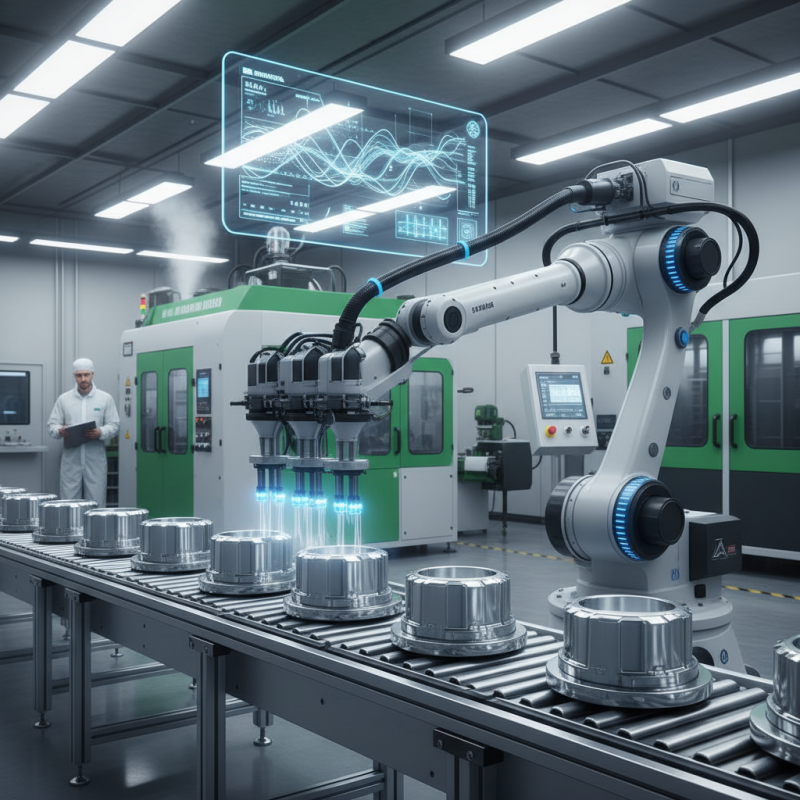
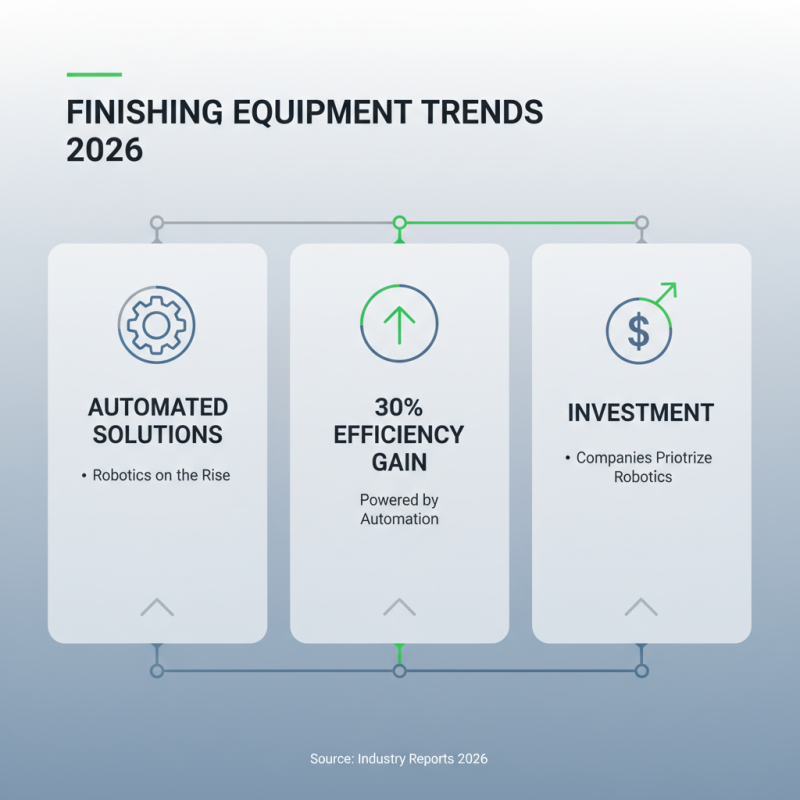
Emerging technologies in finishing equipment present exciting opportunities in 2026. Automated finishing solutions are on the rise. Data from recent industry reports suggest that automation will improve efficiency by 30%. Companies are investing heavily in robotics to enhance production lines.
Sustainability is another crucial trend. Many manufacturers are adopting eco-friendly processes. Reports indicate that 70% of businesses are focusing on reducing waste. Energy-efficient finishing machines are becoming important assets. They not only cut costs but also promote a greener industry image.
Tip: Explore energy-efficient options. They may lead to long-term savings. Additionally, consider how automation can integrate into your existing workflow. However, transitioning may involve a learning curve, and worker training is essential. As technology evolves, staying informed is necessary to adapt effectively.
The finishing industry is rapidly evolving. Sustainability practices are becoming crucial. Companies face pressure to reduce waste and energy use. Many industries are rethinking their processes to align with environmental goals.
Tips for adopting sustainable practices:
- Evaluate your energy sources.
- Transition to renewable options whenever possible.
- Implement a recycling program for materials.
- Engage your team in sustainability training.
These simple steps can lead to significant benefits.
The challenge lies in balancing efficiency and eco-friendliness. Some finishing methods may require more resources than anticipated. It's essential to regularly assess practices and refine them. Sometimes, what works on paper fails in execution. Being proactive is key to overcoming these hurdles in your operations.
The rise of automation and robotics in finishing equipment is transforming manufacturing. Automated systems streamline complex processes. They enhance precision, consistency, and efficiency across various tasks. However, reliance on technology can lead to unanticipated challenges. Workers must adapt to new machinery, which can create a skill gap.
Integrating robotics often requires significant investment. Not all companies may have resources for advanced systems. Smaller firms might struggle with these changes. They risk falling behind larger competitors. Sometimes, existing staff may feel overlooked or threatened by new technologies. This can lead to decreased morale and resistance to change.
Automation also raises questions about quality control. Machines excel in speed, but can they match human intuition? Over-reliance on robotic systems may miss subtle flaws. Regular evaluations are necessary to maintain quality levels. Embracing technology requires a balance between innovation and human insight. Companies must reflect on how to leverage automation without losing craftsmanship.
Advancements in surface treatments and coating technologies are pivotal in industries aiming for durability and efficiency. Recent reports indicate a growing shift towards eco-friendly coatings. For instance, water-based and powder coatings are gaining traction, comprising nearly 30% of the market share in 2023. This evolution reflects an industry response to environmental regulations and consumer demand.
Additionally, innovative methods like plasma coatings and nanotechnology are creating new surfaces with enhanced properties. According to a 2023 industry survey, 40% of manufacturers plan to invest in these technologies. These advancements can increase corrosion resistance significantly—by up to 50%—compared to traditional coatings. However, implementing these technologies poses challenges, such as higher initial costs and the need for specialized equipment.
There’s room for improvement in worker training. Many in the field are not fully equipped to handle these advancements. A report identified that 25% of manufacturers face skill gaps in applying new coating methods effectively. Addressing these gaps is crucial for maximizing the benefits of recent advancements. Investing in education will ensure that industries can keep up with these evolving technologies.
The finishing equipment industry is responding to evolving consumer demands. Reports indicate that 72% of consumers now prefer sustainable products, pushing manufacturers to innovate. Traditional methods often fail to meet these green expectations. This gap creates an opportunity for new finishing solutions.
Consumers desire personalization. They want products tailored to their preferences. In fact, a survey from industry leaders shows 65% of consumers are willing to pay more for custom options. This trend leads to equipment that allows for unique finishes and textures. Companies are investing in technology that supports this shift. A significant number of them face challenges adapting their processes to keep up.
Tip: Consider refining your finishing techniques to enhance product appeal. Experiment with different textures and colors to create variety. Monitor consumer feedback—this can identify what works and what doesn’t.
The emergence of automation is crucial. It addresses the demand for speed and efficiency. However, some manufacturers struggle with integrating these technologies. Data indicates that 42% of businesses report delays in adopting new machinery. This lag can hinder growth. Evaluate your processes consistently to remain competitive.
The chart below displays the top five trends in finishing equipment based on consumer demand, reflecting the innovative changes expected to influence the market in 2026.