2026 Best PLC Control Panel Features and Innovations to Watch For?
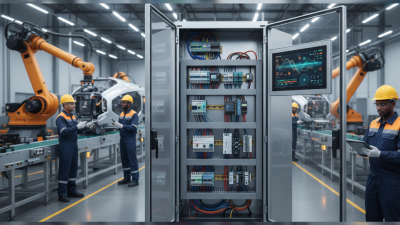
The PLC control panel is a crucial element in industrial automation. As technology evolves, so do the innovations around these panels. In 2026, we can expect to see several exciting features that enhance their functionality and user experience.
Smart integration stands out among the upcoming trends. Advanced connectivity will enable seamless communication with other devices. This creates a smarter manufacturing environment. Additionally, enhanced energy efficiency will be a key focus. Companies are looking to reduce costs and minimize environmental impact. Innovations that support this initiative will be highly valued.
Cybersecurity also needs attention. As PLC control panels connect more to networks, protecting data becomes essential. Businesses must invest in secure technologies. However, one must reflect on the balance between innovation and security. Not all advancements will be perfect or foolproof. Careful consideration of potential issues is necessary to ensure reliability in the long run. The future of PLC control panels promises significant advancements, yet demands cautious optimism.
Future Trends in PLC Control Panel Design and Functionality
The future of PLC control panel design is heading towards greater integration and connectivity. According to a report by MarketsandMarkets, the global PLC market is expected to reach $19.4 billion by 2026, reflecting a compound annual growth rate (CAGR) of 6.2%. This growth is driven by the rising demand for automation in various industries, which influences control panel innovations.
One notable trend is the incorporation of IoT technologies. Smart control panels will allow real-time monitoring and data analytics, significantly improving efficiency. For instance, remote access features enable operators to resolve issues without physical presence on-site. However, this connectivity raises concerns about cybersecurity. As more devices connect, potential vulnerabilities may expose systems to attacks. Companies must prioritize robust security measures to protect sensitive information.
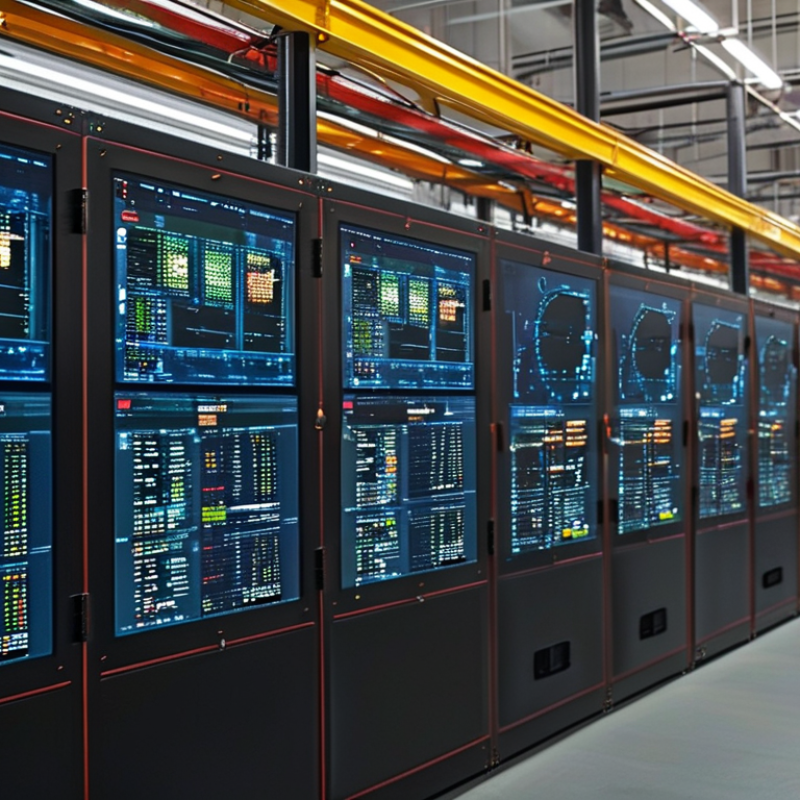
Another emerging feature is user-friendly interfaces. Modern PLC control panels are becoming more intuitive. Touchscreens and customizable dashboards enhance operator experience. Yet, this can lead to a reliance on simplified interfaces, potentially overlooking critical variables in complex systems. Additionally, there is a risk of information overload if data isn’t properly filtered. Balancing accessibility and functionality will be essential in future designs.
2026 Best PLC Control Panel Features and Innovations to Watch For
| Feature |
Description |
Innovation Type |
Expected Impact |
| IoT Integration |
Seamless connection with IoT devices for real-time data monitoring. |
Connectivity |
Enhanced operational efficiency and data-driven decision-making. |
| AI Diagnostics |
Artificial intelligence algorithms that predict maintenance needs. |
Artificial Intelligence |
Reduced downtime and extended equipment lifespan. |
| Enhanced User Interface |
Modern graphical interfaces for easier navigation and control. |
User Experience |
Improved operator productivity and reduced training time. |
| Remote Monitoring |
Ability to monitor and control PLCs from remote locations. |
Connectivity |
Increased flexibility and response time during issues. |
| Modular Design |
Easily expandable architecture allowing for customization. |
Design Flexibility |
Adaptability to evolving operational requirements. |
Key Innovations Enhancing User Interface in PLC Control Panels
The evolution of PLC control panels is heavily influenced by advancements in user interface design. A key focus area for 2026 is the integration of touch screens with intuitive layouts. Users expect clearer information and user-friendly navigation. Simplified graphics can enhance real-time monitoring capabilities. Large buttons and distinct icons make operation easier, reducing errors during critical tasks.
Another trend is the incorporation of augmented reality (AR) in PLC interfaces. This innovative approach provides immersive training and troubleshooting experiences. Users can visualize data and machinery in real time. However, reliance on AR can pose challenges. Some operators may find it overwhelming or distracting. Balancing functionality and simplicity is crucial for effective usage.
In addition, customizable dashboards are gaining traction. Tailoring the interface to specific tasks can improve efficiency. Users can choose their preferred metrics and layouts. Yet, too many options can lead to decision fatigue. Maintaining clarity while offering choices is essential for optimal performance. As these innovations unfold, user feedback will be vital in shaping future designs.
Advancements in PLC Communication Protocols for Enhanced Connectivity
The evolution of PLC (Programmable Logic Controller) communication protocols plays a critical role in enhancing connectivity and operational efficiency. One notable advancement is the implementation of open standards like OPC UA. This promotes interoperability across diverse systems. Research shows that 70% of manufacturers now prioritize connectivity in their automation strategies. Improved communication channels lead to real-time data sharing, enabling faster decision-making processes on the shop floor.
Moreover, the rise of IIoT (Industrial Internet of Things) is redefining PLC capabilities. With IIoT, machines communicate seamlessly, providing valuable insights into production metrics. A significant report highlights that organizations adopting IIoT frameworks can achieve up to a 40% increase in operational efficiency. Despite these advancements, challenges remain in ensuring data security and system integration. Striking a balance between connectivity and security will be key as industries move forward.
Future PLC control panels must adapt to these evolving protocols. Enhanced connectivity will continue to shape industry standards, potentially driving costs down for manufacturers. However, the industry still grapples with the complexities of implementing these innovations. It’s essential to approach these advancements aware of the pitfalls. Building reliable systems requires ongoing evaluation of communication frameworks.
Integration of IoT Technology in Modern PLC Control Panels
The integration of IoT technology into modern PLC control panels is revolutionizing industrial automation. These smart panels now collect real-time data from machines. This feature allows operators to monitor performance seamlessly. Data-driven decisions can reduce downtime and maintenance costs. However, the sheer volume of data generated can overwhelm systems if not managed correctly.
Another notable advancement is remote access capabilities. Operators can now control processes from anywhere. While this increases convenience, it also raises security concerns. Protecting sensitive data and maintaining system integrity is crucial. Moreover, not all personnel are trained for such advanced systems, which can lead to inefficiencies. A balance between innovation and training must be struck to maximize benefits.
Cloud connectivity is another key feature changing the landscape. It enables easy data storage and analysis. This fosters collaboration among teams and improves decision-making. However, reliance on cloud services can introduce latency issues. The need for stable internet connections can be a limitation. Organizations must weigh these factors carefully when implementing IoT solutions in PLC systems.
Sustainable Practices in the Development of PLC Control Panels
Sustainable practices in the development of PLC control panels are vital. Engineers and manufacturers face new challenges in this evolving field. The focus is increasingly on minimizing environmental impact while maximizing efficiency.
One innovation is the use of recycled materials. Many companies are exploring bioplastics and sustainable metals. This shift reduces waste and lowers the carbon footprint. However, sourcing these materials can be complex and costly.
Consider integrating renewable energy sources. Solar panels and wind turbines can power these systems sustainably. This approach not only reduces energy costs but also aligns with global sustainability goals. Yet, transitioning to such systems requires careful planning and investment.
Tips: Regularly assess your components for efficiency. Look into energy-saving features. Engage with suppliers who prioritize sustainability. Collaboration within the industry can lead to better practices and standards.
2026 Best PLC Control Panel Features: Innovations to Watch